

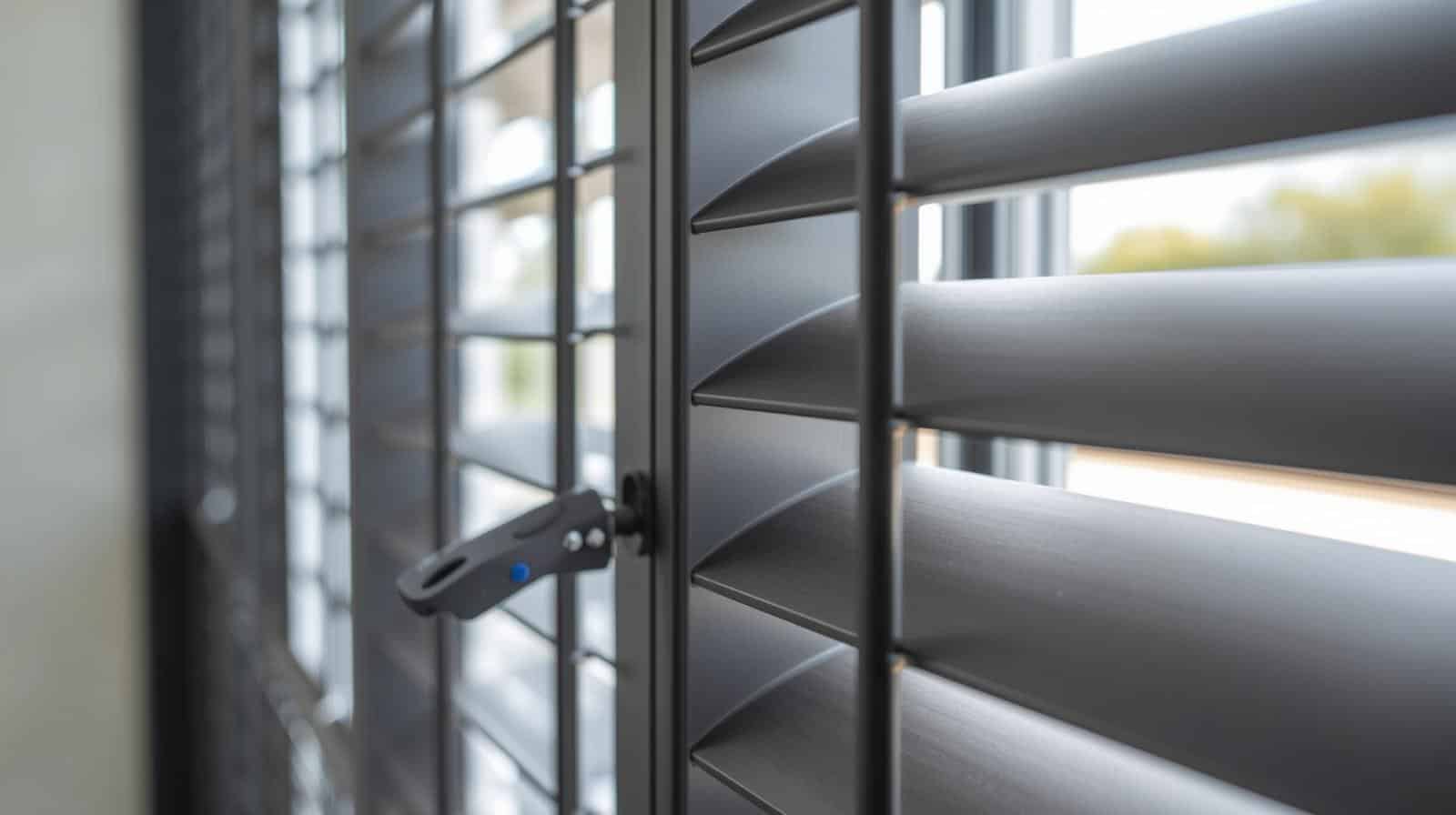
30 Mar Louvre Shutters Explained: Blade Sizes, Tilt Options and Maintenance
Louvre shutters feature adjustable blades that control light, privacy, and airflow. Understanding blade sizes, tilt mechanisms, materials, and maintenance helps Brisbane homeowners choose the right solution and keep shutters functioning beautifully for decades.
For Brisbane and Ipswich homeowners, louvre shutters offer practical benefits in our climate while adding timeless appeal to any property. Let’s explore the essential aspects that make these shutters work—from blade dimensions to tilt mechanisms and maintenance requirements.
What Are Louvre Shutters?
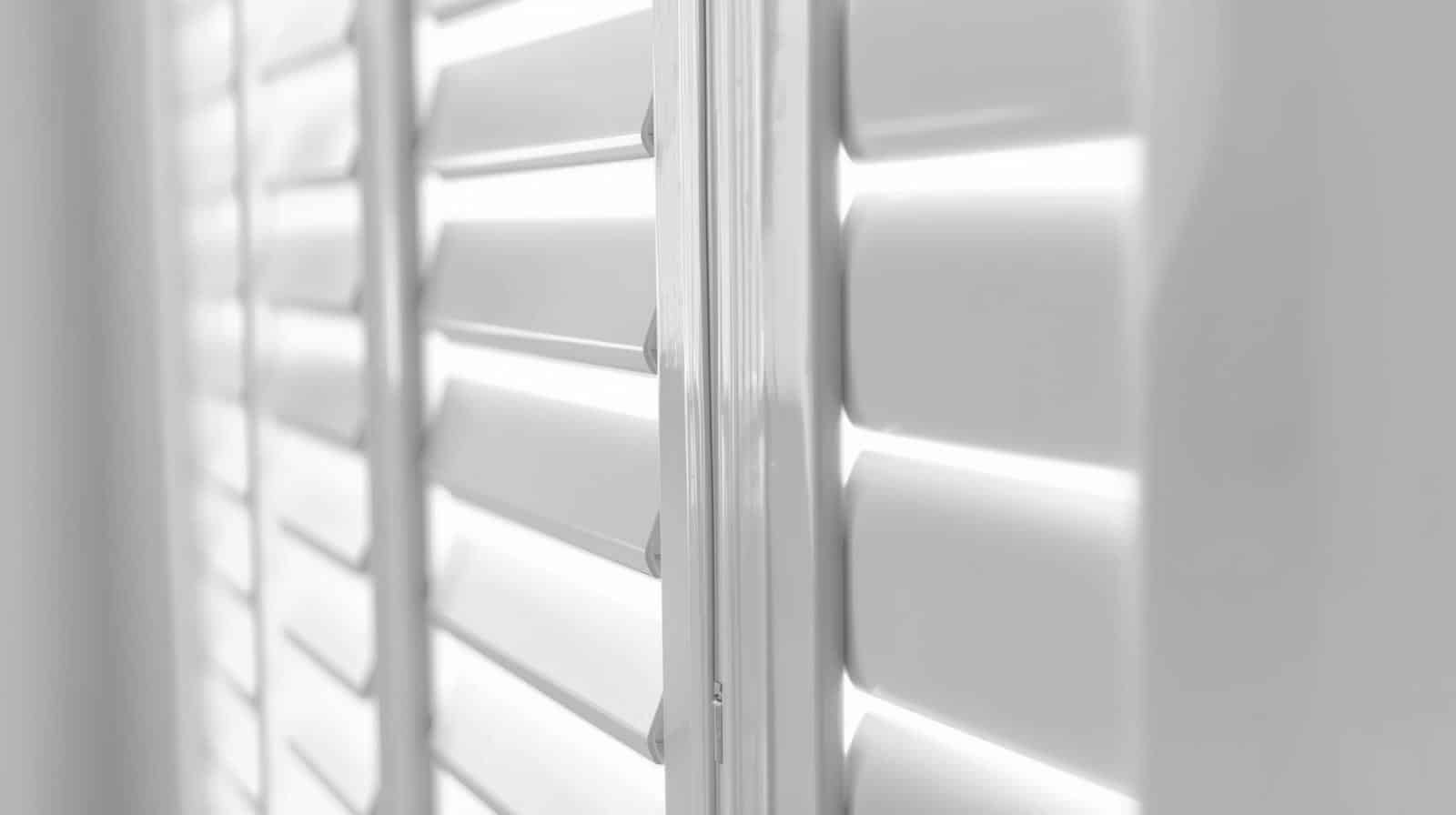
Louvre shutters are window or wall coverings featuring horizontal slats—called blades or louvers—that you can adjust to control light, visibility, and ventilation. These blades rotate on pivot points within a frame, allowing you to angle them for various effects throughout the day.

Unlike fixed shutters or solid panels, the adjustability of louvre shutters provides exceptional versatility. Consequently, you can tilt the blades to let morning light filter in while maintaining privacy, fully open them for maximum views, or close them completely for darkness and insulation. This flexibility makes them suitable for bedrooms, living areas, offices, patios, and balconies.
The term “louvre” (also spelled “louver” in some regions) specifically refers to the angled blade design that allows airflow and light control. Traditional plantation shutters exemplify louvre shutters, distinguished by their wider blades and classic aesthetic. However, the term “louvre shutters” encompasses both traditional plantation styles and contemporary designs with various blade sizes and configurations.
Quality louvre shutters last decades when you maintain them properly. Furthermore, their timeless design means they won’t look dated as trends change, making them a sound long-term investment for your home.
Understanding Blade Sizes
The width of louvre blades significantly impacts both aesthetics and functionality. In Australia, manufacturers measure common blade sizes in millimeters, with the most popular options being 63mm, 89mm, and 114mm (roughly equivalent to 2.5″, 3.5″, and 4.5″ in imperial measurements). Additionally, exterior aluminium louvre shutters often feature larger blades—90mm and 150mm—for enhanced weather protection and modern aesthetics.
Smaller blades (63mm or 2.5″) create a more traditional, classic appearance with multiple slats across the window height. You need them for shallow window frames where larger blades wouldn’t have clearance to tilt fully open. However, they provide more restricted views when open and require more individual blades to clean. These work well in heritage homes or where architectural authenticity matters.
Medium blades (89mm or 3.5″) represent the most popular choice for interior applications. They strike an ideal balance between light control, view preservation, and aesthetic versatility. When open, they provide good visibility while still offering effective privacy and shade control when angled. Furthermore, they suit windows of various sizes and complement most interior design styles from traditional to contemporary.
Larger blades (114mm or 4.5″) deliver a clean, contemporary look with fewer slats and maximum view potential when open. They allow more natural light to flood your space and make cleaning easier due to having fewer individual blades. These work particularly well for large windows, glass doors, and coastal or modern homes where unobstructed views matter most. However, they can appear oversized on small windows.
Exterior aluminium blades (90mm and 150mm) suit outdoor applications on patios, balconies, and external window protection. The larger 150mm blades provide superior weather resistance and create bold architectural statements. Meanwhile, the 90mm option offers a balance between protection and a more refined appearance.
Tilt Mechanism Options
How you control your louvre shutters affects both their appearance and functionality. The two primary tilt mechanisms are front-tilt rods and hidden-tilt systems, each with distinct advantages.
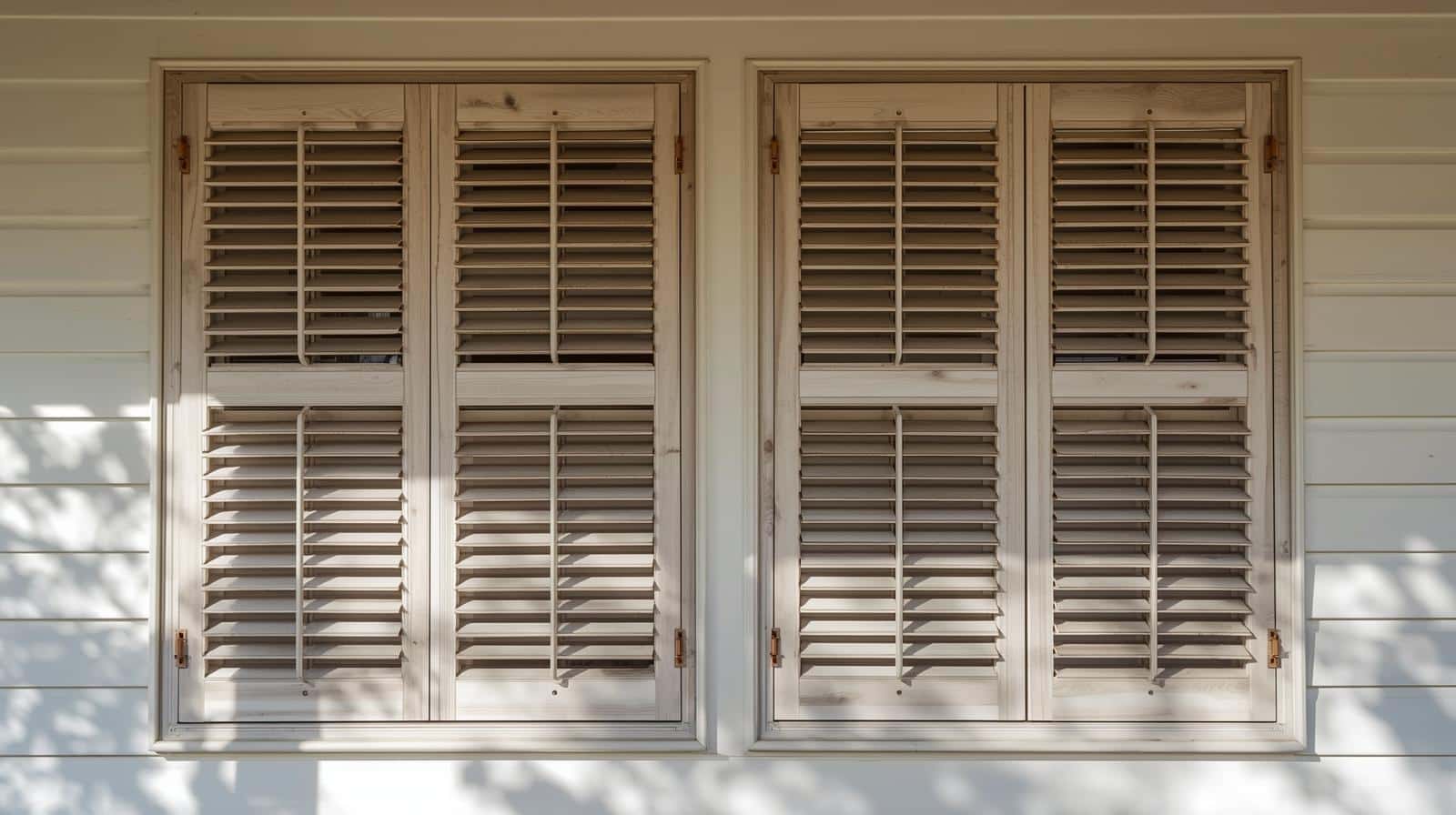 Front-tilt rods feature a visible vertical bar running down the centre of the shutter panel. Grasping this bar and pushing it up or down rotates all the blades simultaneously. People have used this traditional design for centuries, and it remains popular for its classic appearance and intuitive operation.
The advantages of front-tilt rods include easy operation for all family members, including children and elderly users, and straightforward maintenance when you need adjustments. However, the visible rod does interrupt the clean lines of the window and can look less contemporary. Additionally, the staple connections between the rod and blades may require occasional maintenance as they can work loose over time.
Hidden-tilt mechanisms (also called rear-tilt or clearview systems) conceal the control mechanism on the back of the shutter panel. You operate them by grasping any blade and tilting, which moves all connected blades together. Some advanced systems incorporate motorised controls for ultimate convenience.
The primary benefit is aesthetic—with no visible rod, you achieve unobstructed views and a cleaner, more contemporary appearance. Additionally, hidden-tilt systems using aluminium or reinforced mechanisms tend to offer more durability and require less maintenance compared to traditional stapled connections. They’re ideal for modern interiors, minimalist designs, and situations where maximizing views matters most.
The choice between these options depends on your aesthetic preferences, the style of your home, and how important unobstructed views are to you. Moreover, if you have young children, the intuitive nature of front-tilt rods might make them the more practical choice.
Material Considerations for Brisbane’s Climate
Brisbane’s subtropical climate—with its hot, humid summers, occasional storms, and intense UV exposure—influences which louvre shutter materials perform best in various applications.
Timber louvre shutters offer natural beauty and warmth that many homeowners prefer for interior applications. Premium timber plantation shutters like cedar or basswood provide excellent insulation properties and allow you to stain or paint them to match your décor. However, timber requires consideration in Brisbane’s humid climate. For interior applications in climate-controlled rooms, quality timber shutters perform beautifully. For bathrooms, laundries, or areas with moisture exposure, timber may warp or degrade unless you properly seal and maintain it.
PVC (synthetic) louvre shutters excel in moisture-prone interior environments. They’re ideal for bathrooms, laundries, and kitchens where humidity occurs commonly. Modern synthetic polymer plantation shutters far surpass older vinyl products, offering durability and stable performance in varying conditions. They won’t warp, crack, or peel, and you can clean them easily with simple soap and water. However, they don’t suit exterior applications in Brisbane’s harsh sun, as UV exposure will eventually degrade the material.
Aluminium louvre shutters represent the premium choice for exterior applications in Brisbane. They withstand our intense sun, driving rain, high winds, and salt air (particularly important for coastal suburbs like Redcliffe and Cleveland). Powder-coated aluminium resists corrosion, maintains colour vibrancy, and requires minimal maintenance. Additionally, manufacturers can cyclone-rate aluminium shutters for areas prone to severe weather. They’re also increasingly popular for contemporary interior designs where their sleek, industrial aesthetic complements modern architecture.
For Brisbane homes, we typically recommend aluminium for all outdoor applications, PVC or quality timber for interior moisture-prone areas, and either timber or aluminium for living spaces based on your aesthetic preferences.
Maintenance and Cleaning
One of the appealing aspects of louvre shutters involves their low maintenance requirements. However, regular simple care keeps them looking pristine and functioning smoothly for decades.
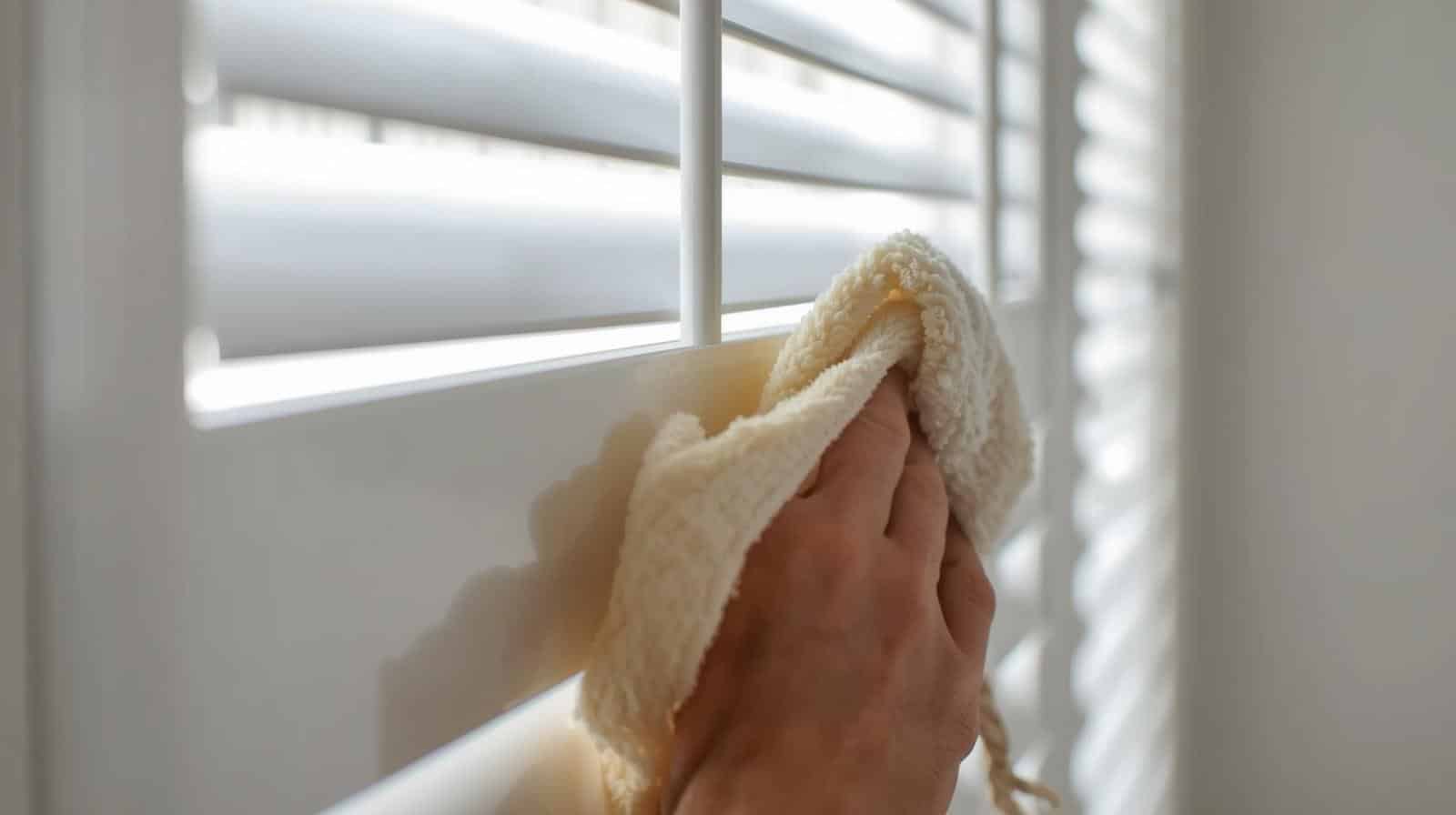
Routine cleaning involves dusting the blades weekly using a microfiber cloth, feather duster, or vacuum with a brush attachment. Close the blades fully and wipe from top to bottom, then reverse the blade angle and repeat to clean the opposite side. This simple routine prevents dust accumulation that can dull finishes and affect operation.
Deep cleaning every few months involves wiping blades with a slightly damp cloth using mild soap solution. For timber shutters, ensure the cloth stays only slightly damp—never wet—to avoid moisture damage. Aluminium and PVC shutters can handle more moisture but you should still dry them afterward to prevent water spots. Avoid harsh chemicals, abrasive cleaners, or excessive moisture that could damage finishes or mechanisms.
Outdoor aluminium shutters in Brisbane may accumulate dirt, pollen, or salt residue. Rinse them with a garden hose and wipe with a soft cloth. The powder-coated finish resists staining and cleans easily. In coastal areas, more frequent rinsing helps prevent salt buildup that could affect moving parts.
Lubrication of pivot points and hinges once or twice annually keeps operation smooth. Use a silicone-based lubricant rather than oil-based products that attract dust. A small amount applied to pivot points where blades rotate ensures they continue tilting smoothly.
Tension adjustments may become necessary occasionally if blades don’t hold their position. Many louvre shutters include tension screws on the frame sides. Tightening these screws (clockwise) increases friction between blades and frame, helping them stay where you set them. However, don’t overtighten, as this makes operation difficult.
Troubleshooting Common Issues
Understanding basic troubleshooting helps you address minor issues quickly without professional service calls.
Blades won’t stay open: This common issue usually results from loose tension or weakened frame joints. First, check for tension screws on the frame sides and tighten them slightly. If your shutters lack tension screws, inspect the frame corners where rails meet stiles. Loose joints reduce the frame’s integrity and affect tension. Small screws can often re-secure these joints. For persistent issues, you can add tension springs to maintain proper blade positioning.
Loose or detached tilt rod staples: Over time, the small staples connecting front-tilt rods to blades can work loose. You’ll notice individual blades not moving with the tilt rod. Replacement staples cost little and you can reinstall them using needle-nose pliers and a small amount of wood glue. The key involves ensuring the staple goes straight into the existing holes without forcing.
Stiff or difficult operation: This usually indicates dirt accumulation in pivot points or lack of lubrication. Clean the pivot areas thoroughly and apply silicone lubricant. If stiffness persists, you may have set the tension too tight—slightly loosen the tension screws. For outdoor shutters, check for corrosion or debris in the track systems that could impede movement.
Damaged individual blades: You can replace individual blades without removing the entire shutter panel. You can order replacement blades to match your existing shutters in size, material, and finish. Installation involves removing the old blade by disconnecting it from the tilt mechanism and pivot points, then installing the new blade in reverse order.
For Brisbane’s climate, outdoor aluminium shutters rarely experience operational issues due to their robust construction. Indoor timber or PVC shutters may occasionally need tension adjustments but otherwise require minimal intervention.
Indoor vs. Outdoor Applications
Louvre shutters serve different purposes depending on their location, and understanding these distinctions helps you select appropriate specifications.
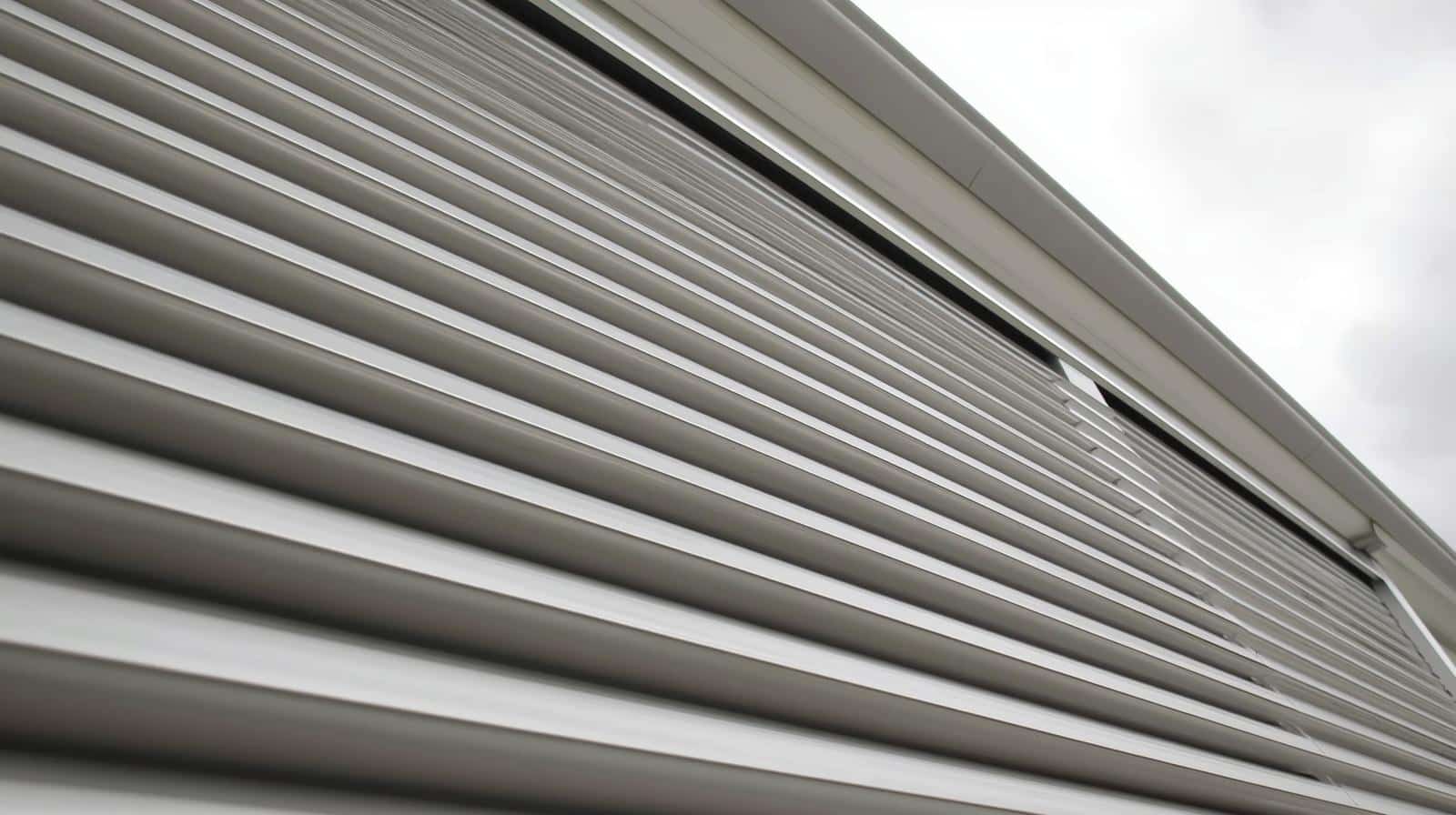
Indoor louvre shutters primarily control light and privacy within climate-controlled environments. Homeowners can choose from various materials, with blade sizes selected based on aesthetic preferences and window dimensions. Interior shutters typically feature lighter-weight construction since they don’t face weather exposure. They enhance insulation by creating an air barrier against windows, helping regulate indoor temperatures and reduce energy costs.
Outdoor louvre shutters must withstand Brisbane’s environmental challenges—intense UV radiation, temperature fluctuations, humidity, driving rain, and potentially high winds. Consequently, they require heavier-duty construction, weather-resistant materials (almost always aluminium), and robust mounting systems. Our external aluminium shutters feature blade sizes often larger (90mm or 150mm) for better weather protection and modern aesthetic appeal.
Additionally, outdoor shutters often incorporate different operating mechanisms. While interior shutters commonly use front-tilt or hidden-tilt systems where you manually adjust blades, exterior shutters may feature fixed positions, gear-operated systems for larger panels, or motorised controls for convenience. The configuration options also differ—exterior applications frequently use sliding, bifold, or hinged panel systems to cover larger openings like patio areas or balconies.
Choosing the Right Configuration
Beyond blade size and tilt mechanism, consider the overall configuration that best suits your needs.
Panel size and divider rails: Tall windows often incorporate horizontal divider rails that split the shutter into sections. Each section can tilt independently, allowing you to angle top louvers for light while closing bottom louvers for privacy. This flexibility proves particularly valuable in bedrooms and bathrooms. However, the divider rail adds a visual break—some people prefer the cleaner look of full-height panels on shorter windows.
Frame style: You can install shutters inside the window recess or outside (covering the window frame and surrounding wall). Inside mounts provide a clean, integrated appearance but require adequate depth for blade clearance. Outside mounts work when window recesses offer too little depth or when you want to cover the entire window frame for maximum light control and insulation.
Colour and finish: For Brisbane homes, colour selection should consider both aesthetic goals and practical performance. Lighter colours reflect more heat—beneficial for west-facing windows or outdoor applications. Darker colours absorb heat but create dramatic visual impact. Powder-coated aluminium finishes for outdoor applications offer the best durability, with dozens of colour options that maintain their appearance for decades. You can paint or stain interior shutters, or leave them in natural timber tones based on your décor.
Transform Your Home with Quality Louvre Shutters
Louvre shutters offer Brisbane and Ipswich homeowners a timeless, versatile solution for controlling light, privacy, and airflow. By understanding blade sizes, tilt options, materials, and maintenance requirements, you can select shutters that enhance your lifestyle and perform beautifully for decades.
Our free in-home measure and quote service means you can explore your options without pressure or obligation. We’ll assess your windows or outdoor areas, explain what will work best, show you material samples, and provide tailored recommendations based on your needs and budget.
Ready to enhance your Brisbane or Ipswich home with beautiful, functional louvre shutters? Contact ShutterUp today at 1300 883 637 or request your free measure and quote online. Let’s create the perfect shutter solution for your home.
FREQUENTLY ASKED QUESTIONS
What’s the most popular louvre blade size for Brisbane homes?
The 89mm (3.5″) blade size is the most popular choice for interior plantation shutters in Brisbane homes. This medium blade width provides an ideal balance between light control, privacy, view preservation, and aesthetic versatility. It suits most window sizes and complements both traditional and contemporary interior designs. For exterior aluminium shutters on patios and balconies, the 150mm blade is increasingly popular as it provides superior weather protection while creating a bold, modern architectural statement.
Should I choose front-tilt or hidden-tilt louvre shutters?
Your choice depends on aesthetic preferences and functionality priorities. Front-tilt rods offer traditional charm, intuitive operation for all ages, and straightforward maintenance. They suit heritage, traditional, and craftsman-style homes. Hidden-tilt mechanisms provide cleaner sight lines, unobstructed views, and a contemporary appearance—ideal for modern or minimalist interiors. Both systems function reliably when quality components are used. Many Brisbane homeowners prefer hidden-tilt for living areas and main bedrooms where views matter most, while choosing front-tilt for practical spaces like bathrooms or utility rooms.
How often do louvre shutters need maintenance?
Louvre shutters require minimal maintenance—just regular dusting weekly and occasional deep cleaning every few months. Annual lubrication of pivot points keeps operation smooth. Most Brisbane homeowners find they need to adjust tension screws only once or twice per year, if at all. Exterior aluminium shutters need even less attention beyond periodic hosing to remove dirt or salt residue. Unlike curtains or blinds that may need replacement every few years, quality louvre shutters maintain their function and appearance for decades with this simple care routine.
Can louvre shutters help reduce energy costs?
Yes, louvre shutters contribute to energy efficiency in several ways. They create an insulating air barrier between your windows and living space, reducing heat transfer. In Brisbane’s hot summers, closing shutters during peak sun hours blocks solar heat gain before it reaches your windows, significantly reducing cooling loads. During winter, closed shutters add an extra insulation layer that retains warmth. The adjustability lets you optimize for conditions—angling blades to deflect direct sun while allowing diffused light reduces glare and heat without losing natural illumination, decreasing reliance on artificial lighting and air conditioning.
What’s the difference between louvre shutters and plantation shutters?
Plantation shutters are actually a type of louvre shutter. The term “plantation shutter” specifically refers to shutters with wider louvre blades (typically 63mm or larger) that originated on plantation-style homes in warmer climates. They’re characterized by their elegant appearance and superior light control compared to older narrow-blade shutters. Today, “louvre shutters” is a broader term encompassing all shutters with adjustable blade designs—including both traditional plantation styles and contemporary variations. In Brisbane, most people use these terms interchangeably when referring to quality interior or exterior shutters with adjustable blades.