

16 Nov Blinds and Child Safety
Loose blind cords are a proven strangulation hazard for young children. All ShutterUp blinds meet Australia’s mandatory safety standards. This page explains what those standards require — and how to check your existing blinds today.
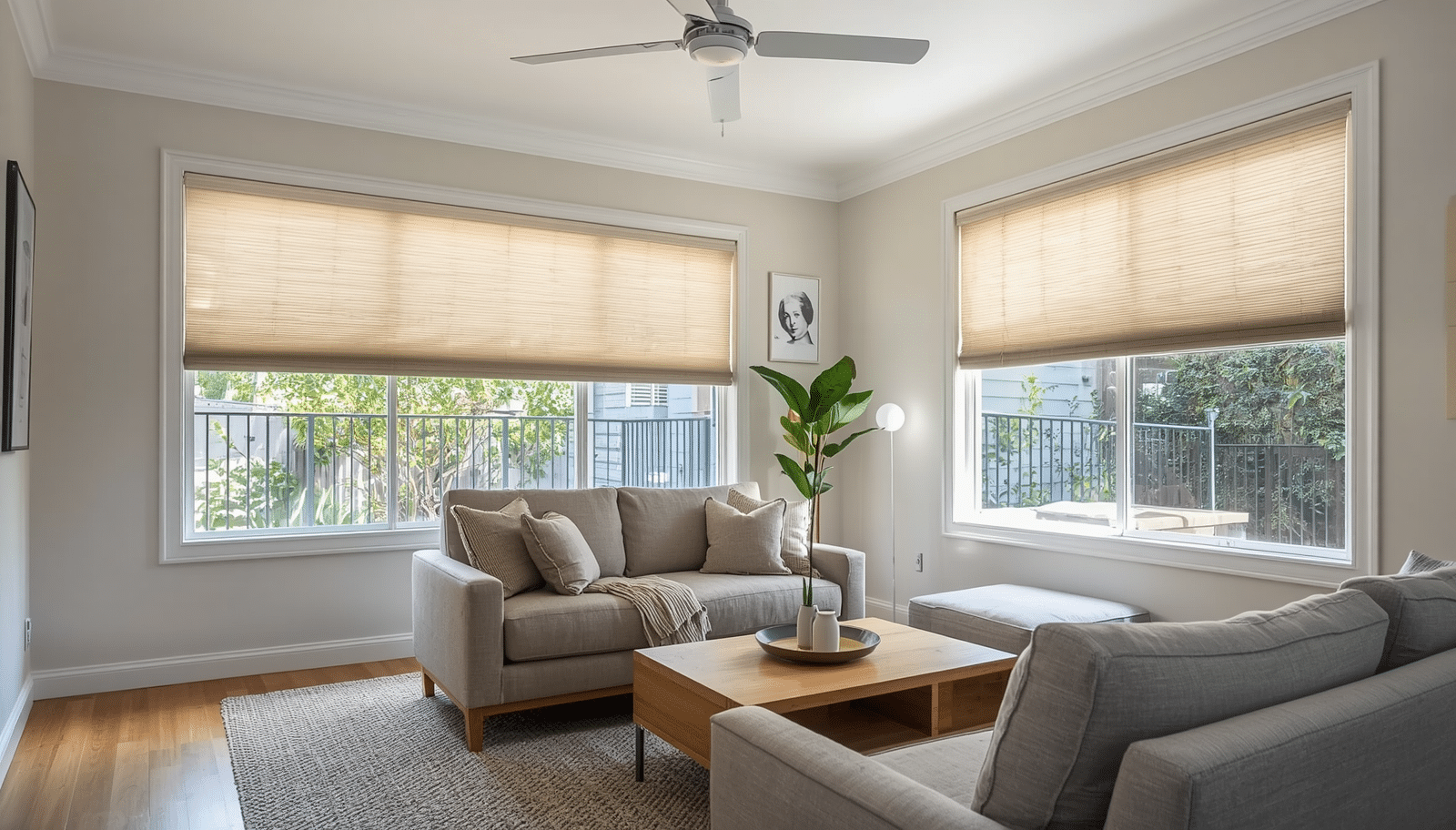
If your home has corded blinds and young children, this page matters. Blind cord strangulation remains a preventable cause of child death in Australia. However, awareness of what safe installation actually looks like is still far too low.
ShutterUp is a family-owned business. We have young children ourselves, and we take cord safety personally. Every blind we supply and install meets Australia’s mandatory standards. Moreover, every corded blind leaves our team fitted with the correct safety devices.
Australia’s Mandatory Standards for Corded Blinds
Two national mandatory standards govern corded window coverings in Australia. The first covers how suppliers must label and supply these products. The second covers how installers must fit them.
Under the installation standard, a corded blind must be fitted so that a loose cord cannot form a loop of 220 mm or longer below 1,600 mm above floor level. That’s the height at which a young child can reach and become entangled. As a result, a cleat or cord guide must prevent this at every installation.
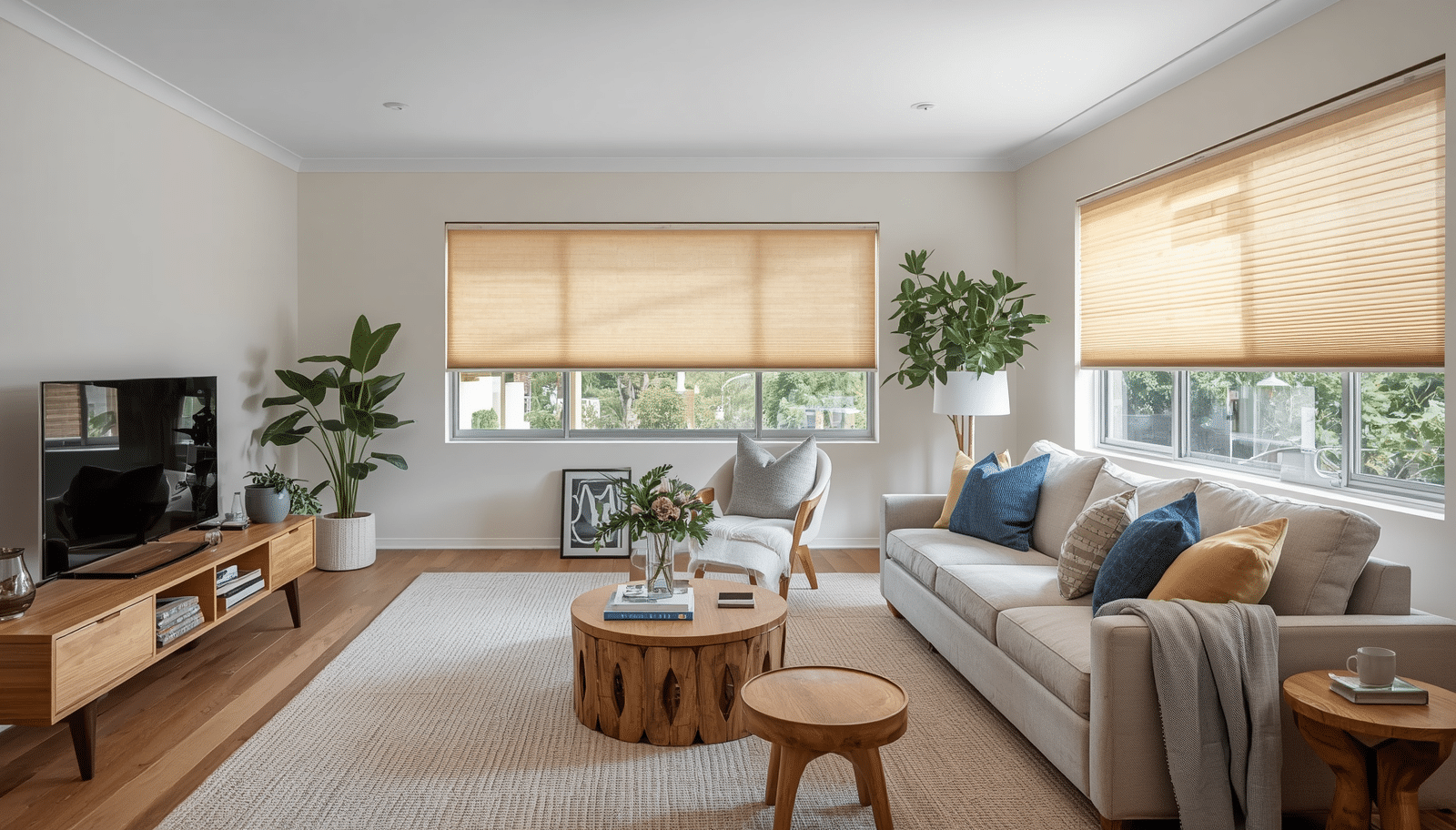
Cleats must be fixed to a wall at a minimum height of 1,600 mm. Furthermore, they must be used consistently — every time the blind is adjusted. Additionally, every installer must attach a label to the blind with their name and contact details. Warning tags must remain on the product and must not be removed.
These are not guidelines. They carry serious penalties under Australian Consumer Law.
If you’re unsure whether your existing blinds comply, the product safety authority provides up-to-date guidance at productsafety.gov.au. Alternatively, call us on 1300 883 637 and we’ll help you assess what you have.
Practical Safety Rules for Every Household
Even with compliant installation, daily habits make a real difference. These steps apply to every home with corded blinds.
Walk through every room and look for cords that hang loosely or form a loop. This includes cords at floor level and any near furniture children can climb. If a cord is accessible, it is a risk.
Keep cots, beds, highchairs, and playpens away from any window with corded blinds. Babies can reach through cot slats and pull a cord into the cot. However, children sleeping nearby face the same risk. The safe distance is often smaller than parents expect.
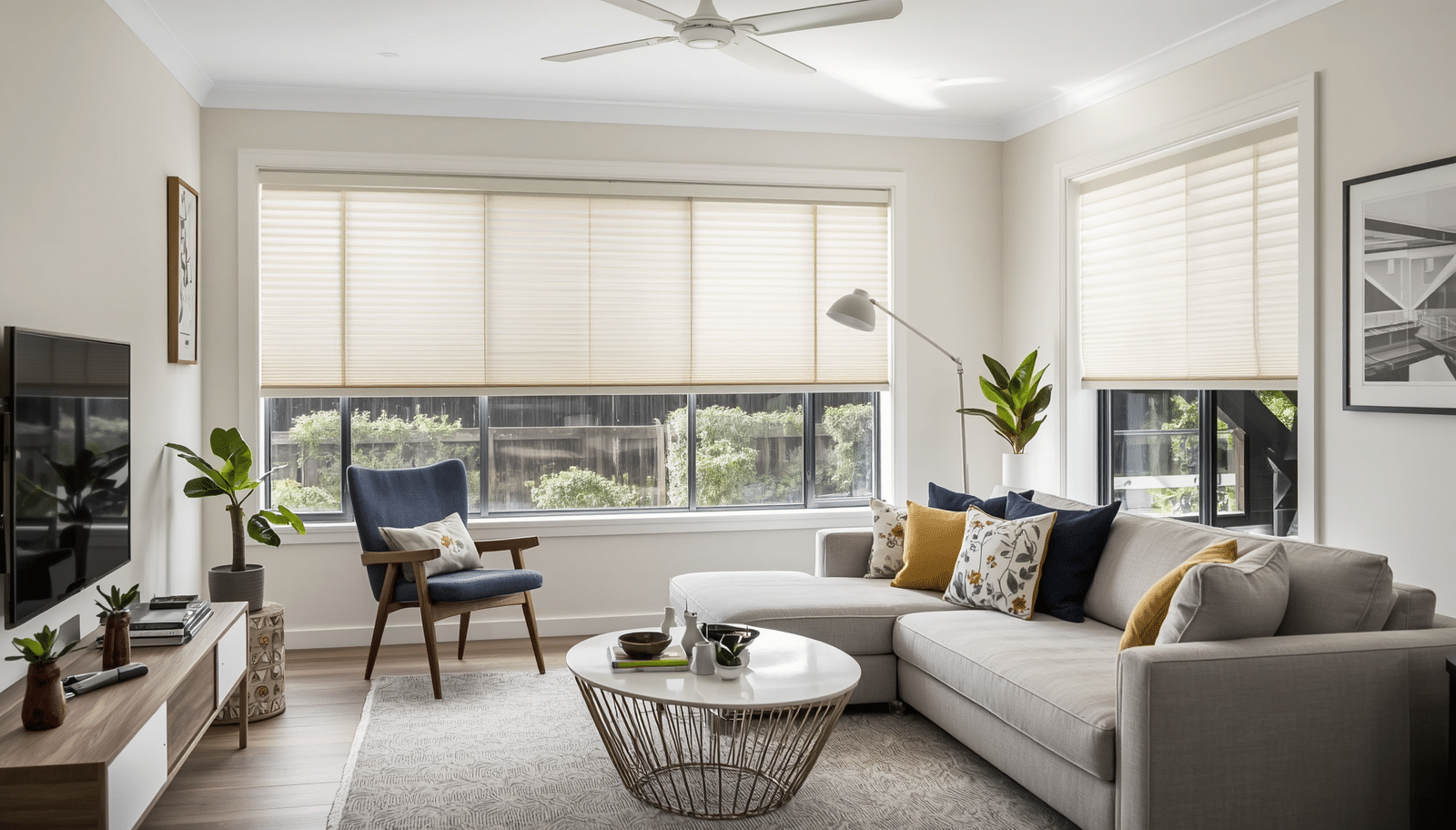
Move any sofas, chairs, tables, or shelving positioned near corded blinds. Young children frequently climb onto furniture to look outside. Consequently, a cord that seemed out of reach becomes accessible very quickly.
Always supervise children in any room where cord access cannot be fully eliminated. Accidental strangulation happens fast — far faster than most parents anticipate. Therefore, never leave young children alone in these rooms, even briefly.
Wind the cord around the cleat every time you adjust the blind. The cleat only protects when it’s used. Make this a non-negotiable habit for every member of your household.
Cordless and Motorised Blinds: Eliminating the Risk Entirely
The most effective solution is to remove cords altogether. For families with young children, cordless and motorised blinds are worth serious consideration. Bedrooms, nurseries, and playrooms benefit most — these are rooms where supervision is often intermittent.
ShutterUp offers motorised blinds that operate via remote control or smart home integration. There are no exposed cords at any point. Furthermore, cordless roller blinds and honeycomb blinds are available for most standard window configurations. If you’re renovating or replacing ageing blinds, specifying cordless or motorised products from the start removes the cord safety variable entirely.
What to Do If Your Existing Blinds Are Not Compliant
Older blinds — particularly those installed before 2010 — may not meet current requirements. The mandatory installation standard for new installations came into force in 2010. However, many older products remain in homes today without being updated.
Check whether a cleat is fitted above 1,600 mm and whether it is actually being used. Additionally, check whether any cords form accessible loops below that height. If you’re uncertain, act now rather than later.
A quick assessment costs nothing. Call our team on 1300 883 637 or book a free in-home visit. We’ll inspect your existing blinds and advise on the right course of action for your home and family.
Frequently Asked Questions
Are all ShutterUp blinds child safe?
Yes. All blinds we supply and install comply with Australia’s mandatory safety standards. Every corded blind is fitted with the correct safety devices, including cleats installed at the required minimum height of 1,600 mm above floor level.
What is the Australian mandatory standard for blind cord safety? Under the Competition and Consumer (Corded Internal Window Coverings) Safety Standard 2014, corded blinds must be installed so that a loose cord cannot form a loop of 220 mm or longer at less than 1,600 mm above floor level. A cleat or cord guide must be correctly fitted to achieve this.
What is the safest type of blind for a home with young children? Cordless and motorised blinds are the safest option. They eliminate exposed cords entirely. ShutterUp supplies motorised blinds, cordless roller blinds, and cordless honeycomb blinds suitable for most window configurations.
What should I do if my existing blinds don’t meet the safety standard?
Contact ShutterUp on 1300 883 637 or book a free in-home visit. Our team will inspect your existing blinds and advise on the most appropriate course of action for your home.
How high should a blind cord cleat be installed?
Under Australia’s mandatory installation standard, a cleat must be fixed to the wall at a minimum of 1,600 mm above floor level. The cord must be wound around the cleat after every adjustment to prevent a hazardous loop from forming.