

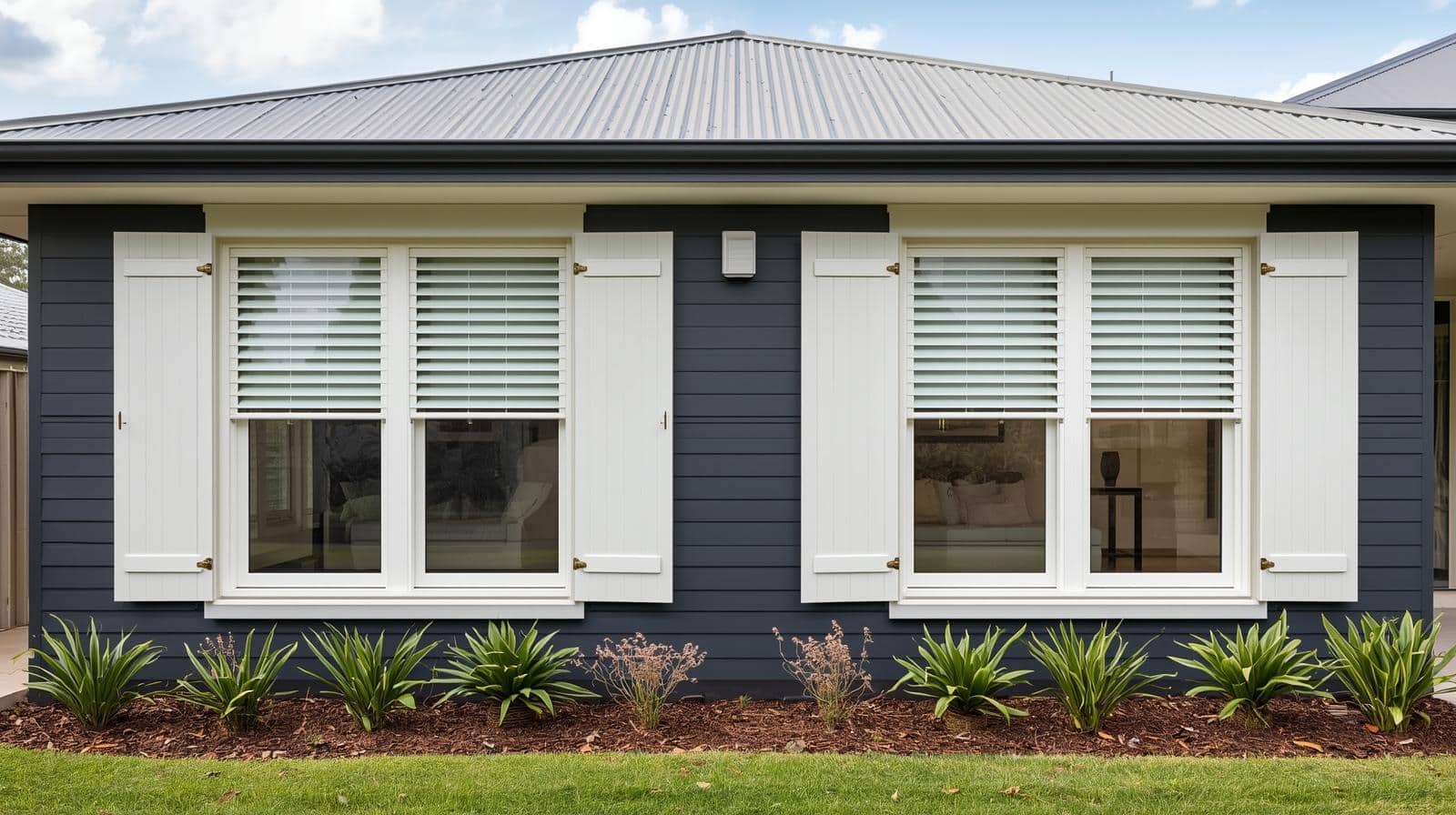
15 Dec Choosing Shutters in Australia: Standards, Materials and Climate Considerations
Selecting shutters for Australian homes requires understanding material performance in extreme heat, UV exposure, humidity, and coastal conditions. Quality shutters built to Australian Standards provide superior insulation, durability, and energy efficiency while withstanding the country’s harsh climate—making material choice and local expertise critical to long-term satisfaction.
When you’re considering shutter Australia options for your home, the decision extends far beyond aesthetics. Choosing the right shutter Australia solution requires understanding how our unique climate affects performance, longevity, and value. From the tropical humidity of Far North Queensland to the dry heat of inland regions and the salt-laden air of coastal suburbs, Australian conditions test every element of your home. Your window treatments face these challenges daily, making informed shutter selection essential.
Why Shutter Australia Selection Demands Climate Expertise
Australia’s climate ranks among the harshest in the world for building materials. The intense UV radiation, extreme temperature fluctuations, high humidity in coastal and tropical zones, and prolonged dry periods inland create challenging conditions. Standard window coverings imported from temperate climates often fail within a few years. They fade, warp, or crack under the relentless Australian sun.
Quality shutter Australia products designed specifically for local conditions address these challenges through careful material selection and construction techniques. The fierce summer sun pushes temperatures above 35°C for extended periods. This demands materials with exceptional UV stability and heat resistance. Coastal homeowners face the additional challenge of salt spray. This corrodes metal components and accelerates deterioration in unsuitable materials.
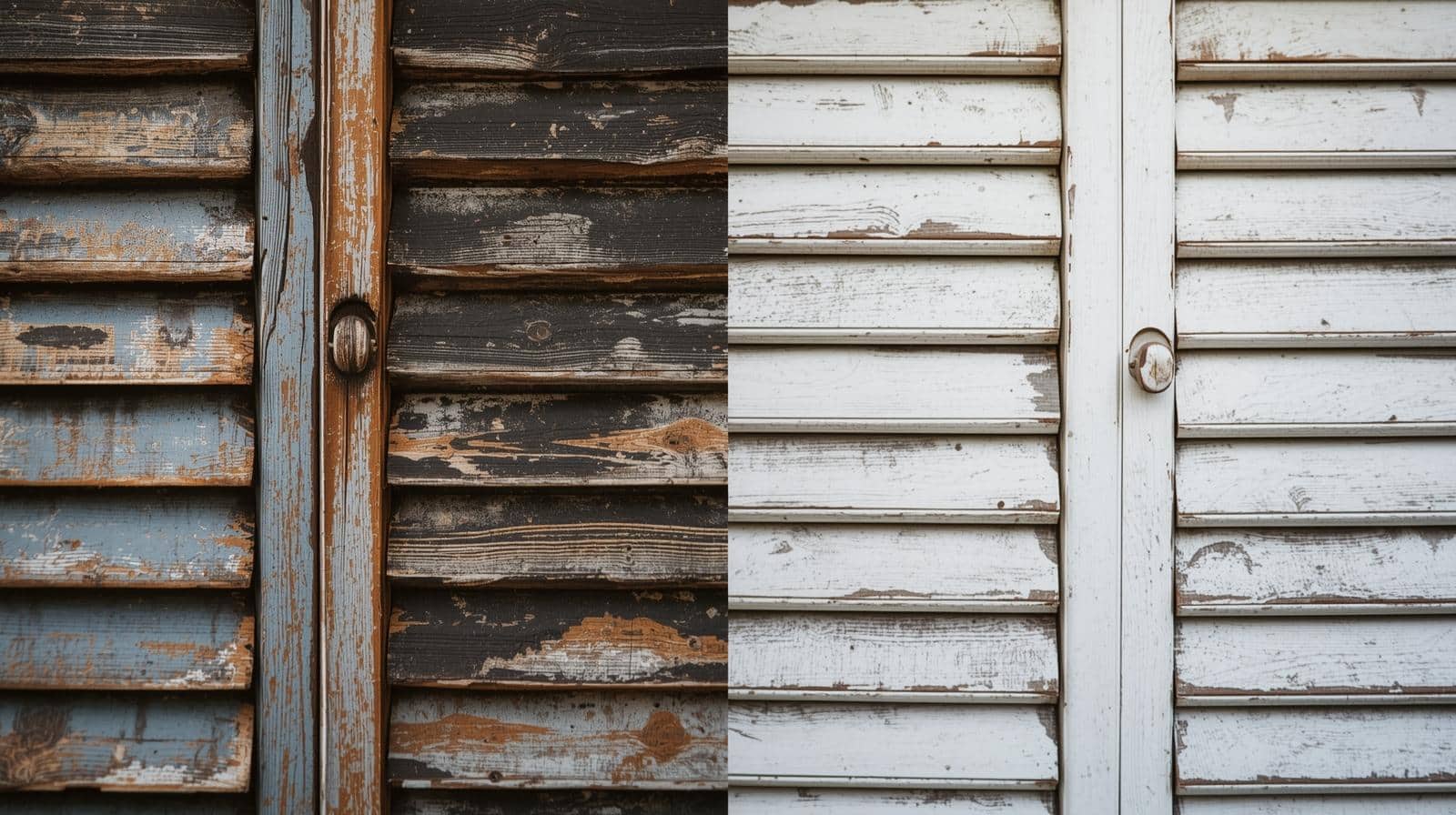
Meanwhile, homes in bushfire-prone areas require shutters that meet specific BAL (Bushfire Attack Level) ratings. These ratings ensure compliance with building codes and protect properties during fire events. The subtropical climate of Brisbane and Southeast Queensland adds another layer of complexity. High humidity combined with warm temperatures creates ideal conditions for mould growth, timber swelling, and paint degradation.
Afternoon storms bring driving rain that tests seals and finishes. The extended summer season means your shutters face these conditions for six to eight months annually. Choosing shutter Australia options engineered for these specific challenges ensures your investment delivers the performance and longevity you expect. Local expertise becomes invaluable when matching products to your specific location and exposure.
Understanding Shutter Materials for Australian Conditions
The material you select for your shutters fundamentally determines their performance, maintenance requirements, and lifespan. Each option brings distinct advantages and limitations. These become critical when matched against your specific location, exposure, and priorities. Understanding how each material performs in Australian conditions helps you make informed decisions.
Timber Shutters for Australian Homes
Timber shutters remain the traditional choice, prized for their natural beauty and classic appeal. Premium hardwoods like Western Red Cedar and Basswood offer excellent stability. They can be finished in any colour to match your interior design. Timber provides natural insulation properties that help regulate indoor temperatures. This contributes to energy efficiency throughout the year.
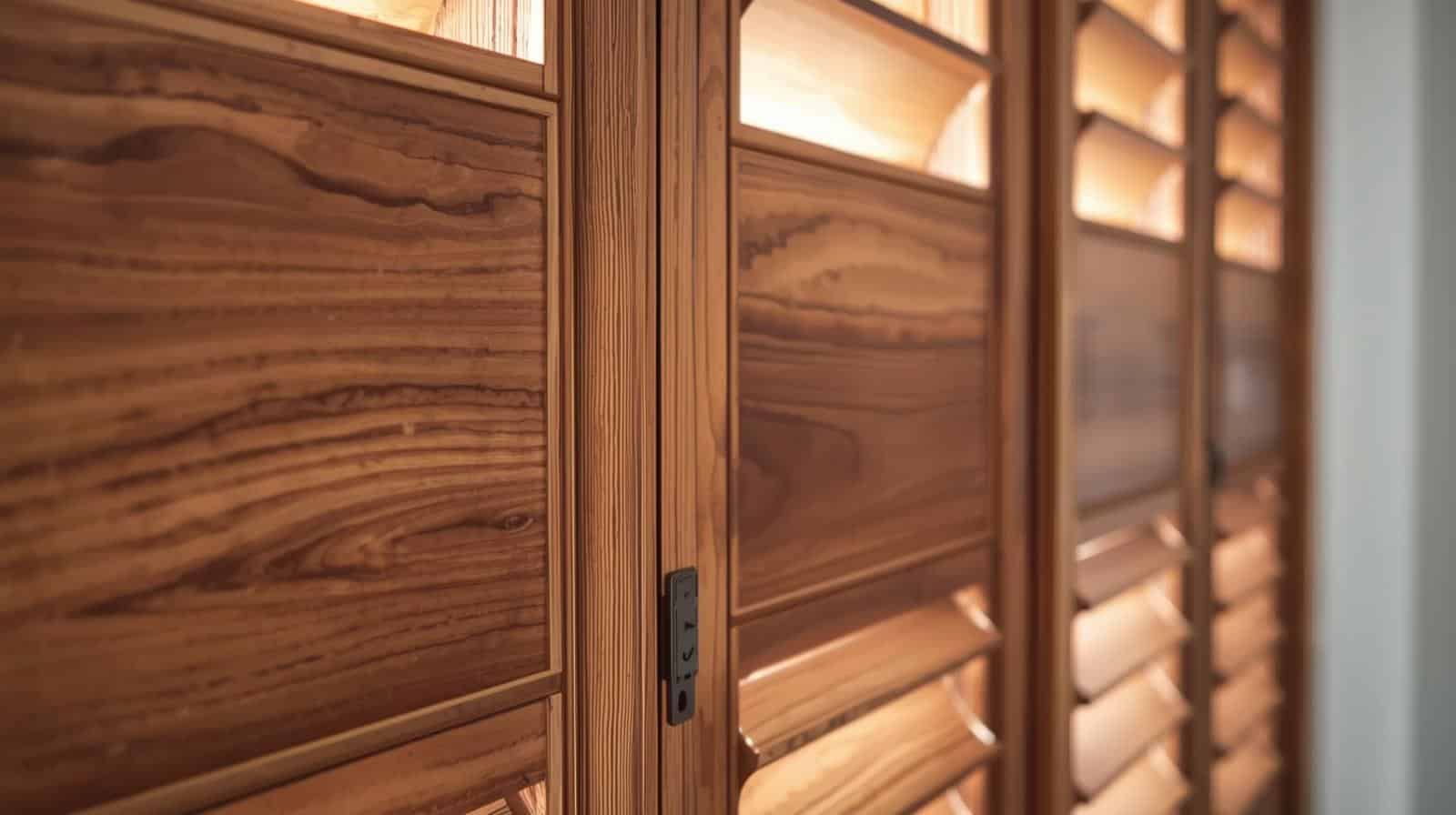
However, timber requires careful consideration in high-humidity environments. Coastal locations and subtropical regions like Brisbane demand timber species specifically selected for moisture resistance. High-quality sealing and finishing prevent swelling, warping, or mould growth. Regular maintenance becomes essential to preserve appearance and function. Quality timber shutters properly maintained can last 20 years or more.
The natural aesthetic of timber complements both traditional and contemporary Australian homes. The material accepts stains and paints beautifully. This allows complete customization to match your décor. For homeowners prioritizing natural materials and classic elegance, timber shutters deliver unmatched visual appeal when properly specified for local conditions.
PVC and Synthetic Shutter Options
PVC and synthetic shutters have gained significant popularity across Australia for their exceptional performance in challenging conditions. Modern PVC formulations resist moisture, humidity, and salt spray without degradation. This makes them ideal for bathrooms, coastal properties, and tropical climates. Unlike timber, PVC won’t swell, crack, or warp regardless of moisture exposure.
The material maintains dimensional stability through extreme temperature fluctuations. It resists UV fading when quality UV inhibitors are incorporated during manufacturing. PVC shutters require minimal maintenance—typically just occasional wiping with a damp cloth. Their consistent performance makes them a practical choice for busy households.
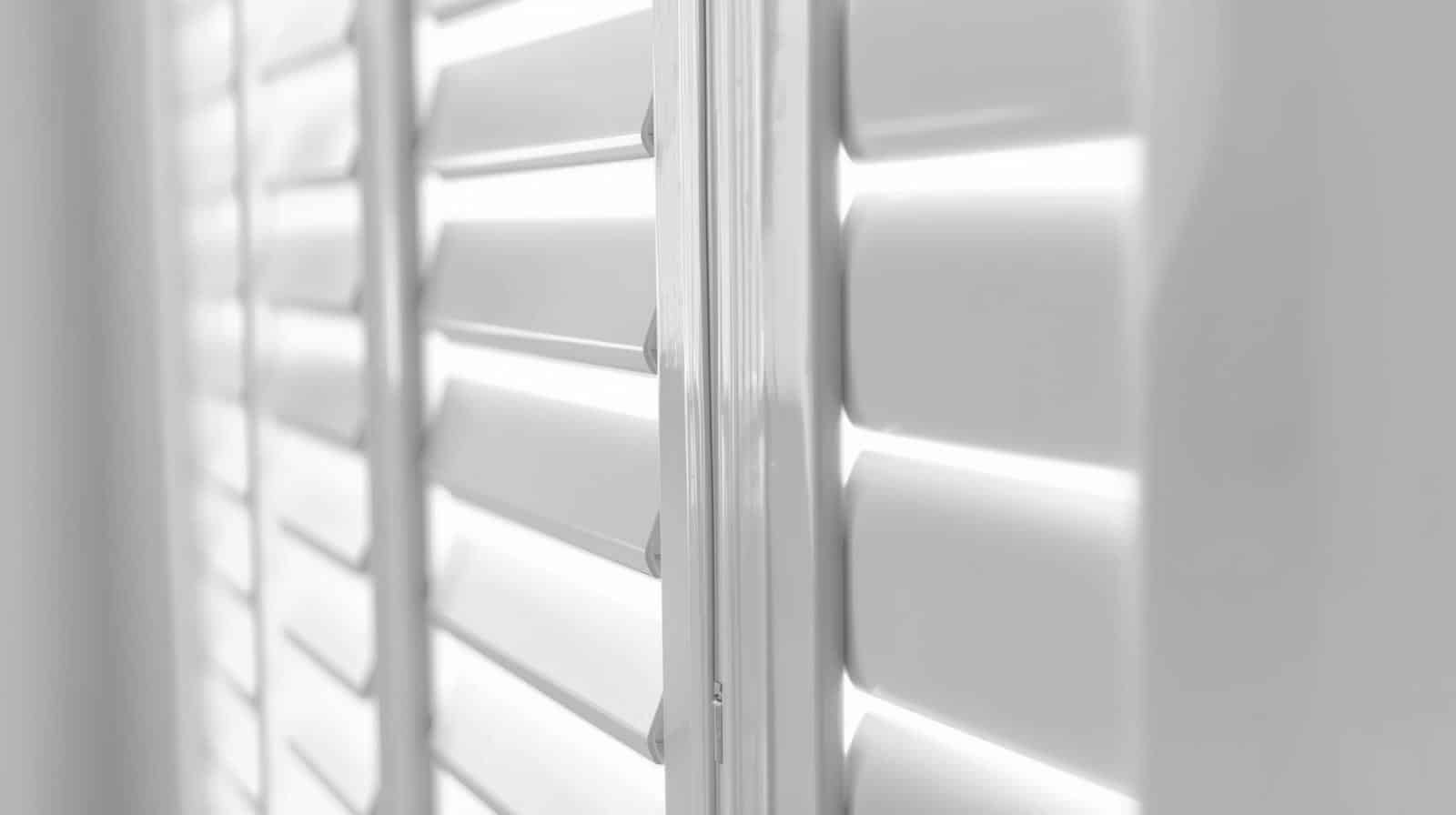
Premium PVC shutters feature reinforced construction that prevents sagging in larger panels. This addresses a common weakness in lower-quality synthetic options. The material’s moisture resistance makes it particularly suitable for Brisbane and Ipswich homes. High humidity and seasonal storms challenge organic materials. PVC eliminates these concerns entirely while delivering reliable performance year after year.
Aluminium Shutters for External Applications
Aluminium shutters excel in external applications where maximum durability and security matter most. The material naturally resists corrosion. Quality powder-coating significantly extends lifespan in coastal environments. Aluminium provides superior strength-to-weight ratios. This supports larger panel sizes without sagging or requiring excessive framework.
For properties in bushfire zones, aluminium shutters can be specified to meet required BAL ratings. They provide critical ember protection during fire events. The material’s thermal properties make it less suitable for western-facing windows in hot climates. It can conduct significant heat. However, for external security shutters, cyclone-rated applications, or bushfire protection, aluminium remains the premium choice.
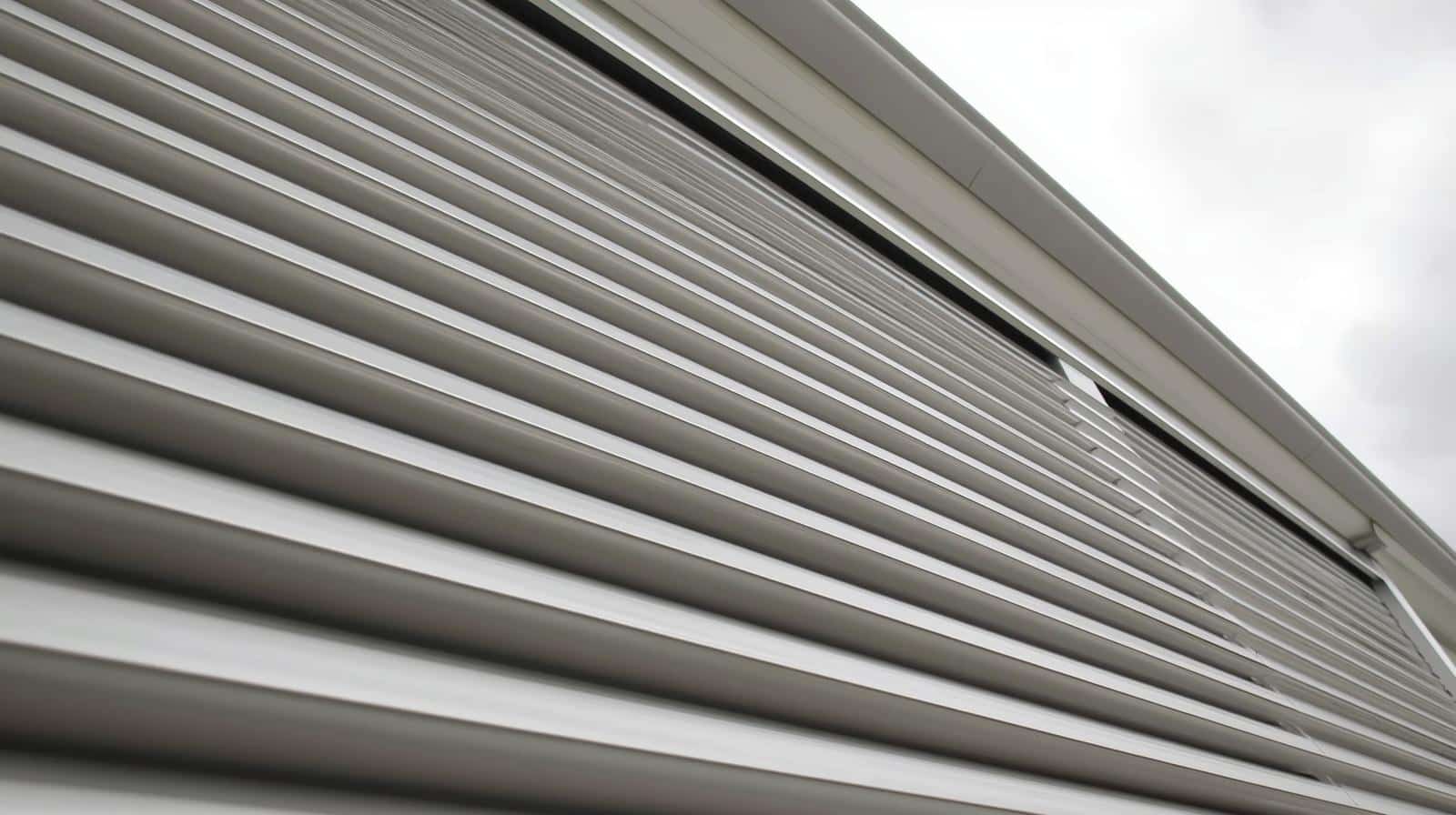
Queensland coastal properties benefit particularly from marine-grade aluminium shutters. These resist salt spray corrosion that rapidly degrades inferior materials. The strength and security aluminium provides make it ideal for ground-floor windows. Homeowners seeking maximum protection value these performance characteristics. When properly specified and installed, aluminium shutters deliver decades of reliable service in harsh Australian coastal environments.
Climate Zone Considerations Across Australia
Australia’s vast geography creates dramatically different climate zones. Each presents unique challenges for shutter performance. Understanding your specific climate zone informs material selection and design choices. This maximizes longevity and satisfaction with your shutter Australia investment.
Tropical and Subtropical Shutter Requirements
Tropical and subtropical zones covering northern Australia and Southeast Queensland experience high temperatures year-round. Intense UV radiation and significant humidity characterize these regions. These conditions favor moisture-resistant materials like quality PVC or marine-grade aluminium for external applications. Timber shutters require species specifically selected for tropical performance. Comprehensive sealing and UV-resistant finishes become essential.
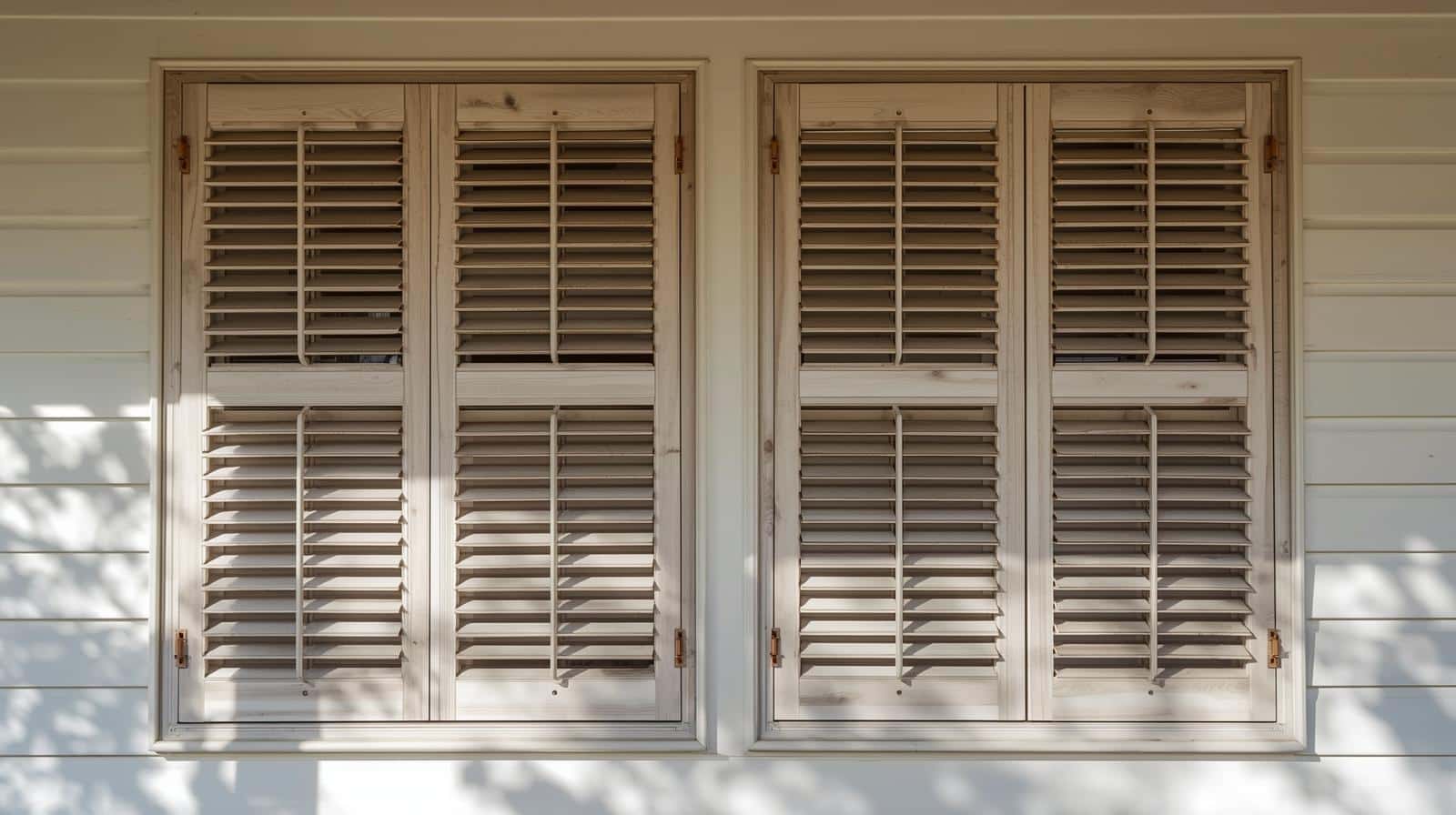
Ventilation becomes critical in these climates. Shutters must allow airflow to prevent moisture accumulation while maintaining privacy and light control. The extended wet season brings driving rain that tests seals and finishes. Quality construction and installation prove essential for long-term performance. Brisbane and Ipswich homeowners face these subtropical challenges daily.
Mould and mildew growth accelerates in warm, humid conditions. Materials that resist biological growth deliver better long-term results. PVC shutters eliminate organic material that supports mould. This makes them increasingly popular in Queensland’s coastal and near-coastal suburbs. The material’s performance in high-humidity environments surpasses traditional options.
Temperate Climate Shutter Selection
Temperate zones including much of coastal New South Wales, Victoria, and South Australia present milder conditions. Greater seasonal variation characterizes these regions. They suit the full range of shutter materials. Selection is driven more by aesthetic preferences and specific site conditions.
Coastal locations still demand attention to salt resistance. Inland areas experience greater temperature extremes. These require materials with good dimensional stability. Timber performs well in temperate zones with moderate maintenance. PVC offers reduced upkeep for time-poor households. The choice often comes down to aesthetic preference and maintenance willingness.
Arid and semi-arid inland regions face extreme heat and intense UV exposure. Minimal humidity characterizes these areas. Dust and temperature extremes test materials and mechanisms. UV-stable materials become critical. The intense inland sun rapidly degrades inferior products. Timber shutters require careful finishing to prevent drying and cracking. Quality PVC and aluminium options deliver reliable performance with minimal maintenance.
Choosing Shutters for Queensland’s Subtropical Environment
Brisbane and Ipswich homeowners face specific considerations when selecting shutter Australia products. The Southeast Queensland climate combines high summer temperatures, intense UV radiation, elevated humidity, and seasonal storms. These create demanding conditions that test every aspect of shutter performance. Local expertise proves invaluable for optimal selection.
Summer temperatures regularly exceed 30°C with high humidity. This creates uncomfortable indoor conditions without effective climate control. Quality shutters provide an additional insulating barrier. They reduce heat gain through windows, lowering cooling costs and improving comfort. The ability to adjust louvre angles throughout the day allows you to block direct sun while maintaining natural light and ventilation.
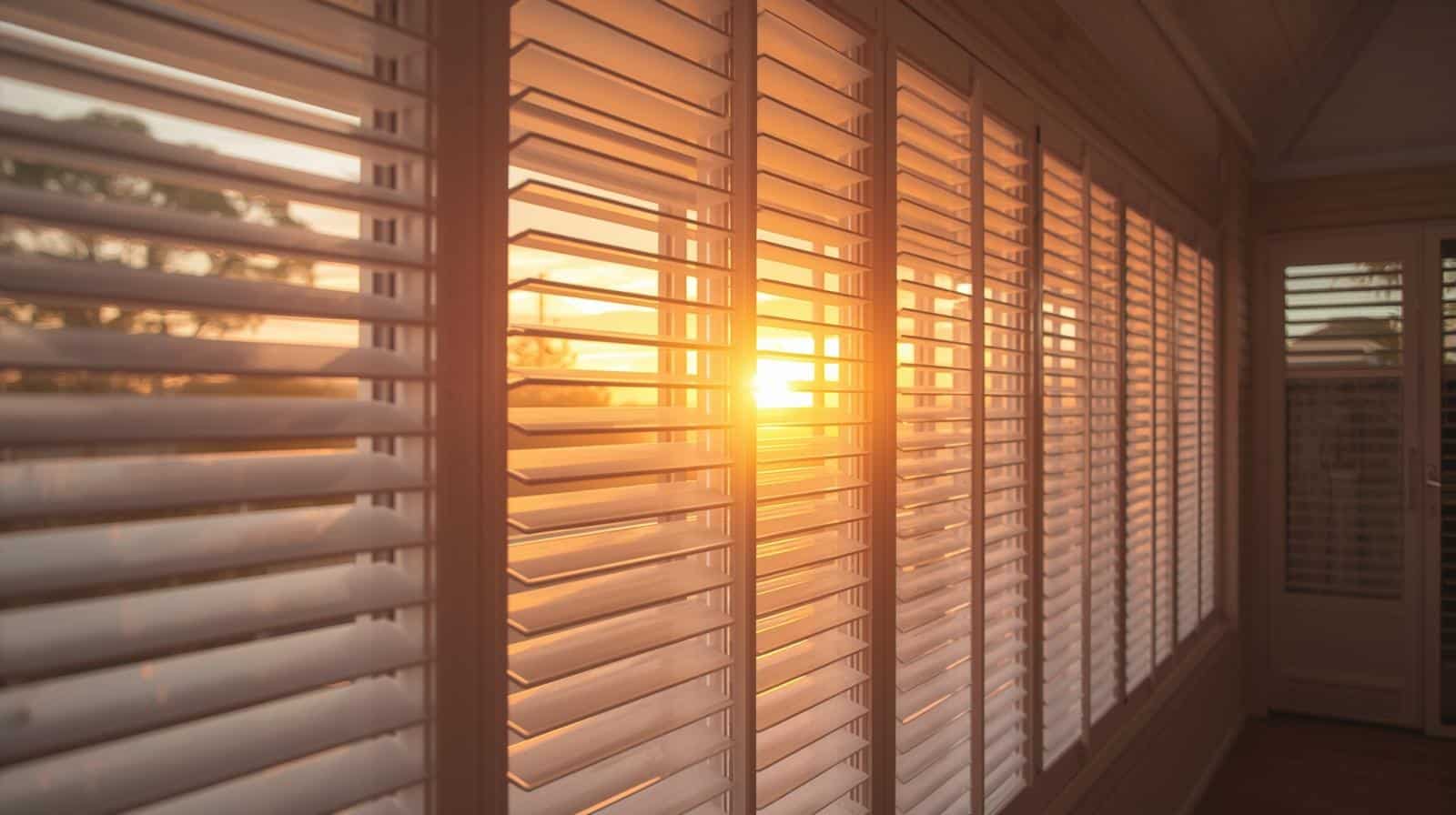
This flexibility becomes particularly valuable during the extended Brisbane summer. Managing indoor climate without excessive air conditioning use delivers both comfort and cost benefits. The dynamic control shutters provide surpasses fixed window coverings. You optimize conditions throughout the day as sun angles and temperatures change.
The region’s afternoon storms bring driving rain and occasional hail. These test shutter construction and finishing. Quality installation with appropriate seals prevents water entry. Durable materials resist impact damage. Coastal suburbs from Redland Bay to Redcliffe face additional salt spray exposure. This requires corrosion-resistant materials and fittings.
Stainless steel hardware and marine-grade finishes extend service life in these locations. Moisture and humidity create ideal conditions for mould growth on organic materials. Timber shutters in Brisbane require species naturally resistant to fungal growth. Comprehensive sealing and regular maintenance prevent deterioration. PVC shutters eliminate moisture-related concerns entirely. This makes them increasingly popular for bathrooms, laundries, and high-humidity areas.
Durability and Longevity in Harsh Australian Conditions
The true measure of shutter Australia quality emerges over years of service in harsh conditions. Initial appearance matters, but long-term performance separates premium products from budget alternatives. Understanding factors that influence longevity helps you make informed decisions. These deliver lasting value for your investment.
Material quality forms the foundation of durability. Premium timber species, UV-stabilized PVC formulations, and marine-grade aluminium cost more initially. However, they deliver significantly extended service life. Inferior materials fade, warp, crack, or corrode within a few years. This requires expensive replacement. Quality materials maintain appearance and function for 15 to 25 years with appropriate maintenance. This transforms the initial investment into exceptional long-term value.
Installation quality often determines whether shutters achieve their potential lifespan. Proper fixing, alignment, and sealing require experienced installers familiar with local conditions. Poorly installed shutters experience premature failure regardless of material quality. Sagging panels, binding operation, water entry, and accelerated deterioration result. Choosing local installers with extensive regional experience ensures your shutter Australia investment performs as intended throughout its service life.
Energy Efficiency and Insulation Performance
Beyond aesthetics and durability, quality shutter Australia products deliver measurable energy efficiency benefits. These reduce running costs while improving year-round comfort. Understanding thermal performance characteristics helps justify the investment. It also informs material selection for optimal results.
Windows typically represent the weakest thermal element in any home. They allow significant heat gain in summer and heat loss in winter. Quality shutters create an additional insulating layer that reduces this thermal transfer. The air gap between the shutter and window acts as a buffer zone. This slows heat movement in both directions.
This effect becomes particularly valuable on western-facing windows. These receive intense afternoon sun. Closed shutters can reduce heat gain substantially. Brisbane homeowners notice significant comfort improvements when quality shutters protect western exposures. The reduction in air conditioning load translates directly to lower energy bills during the extended summer season.
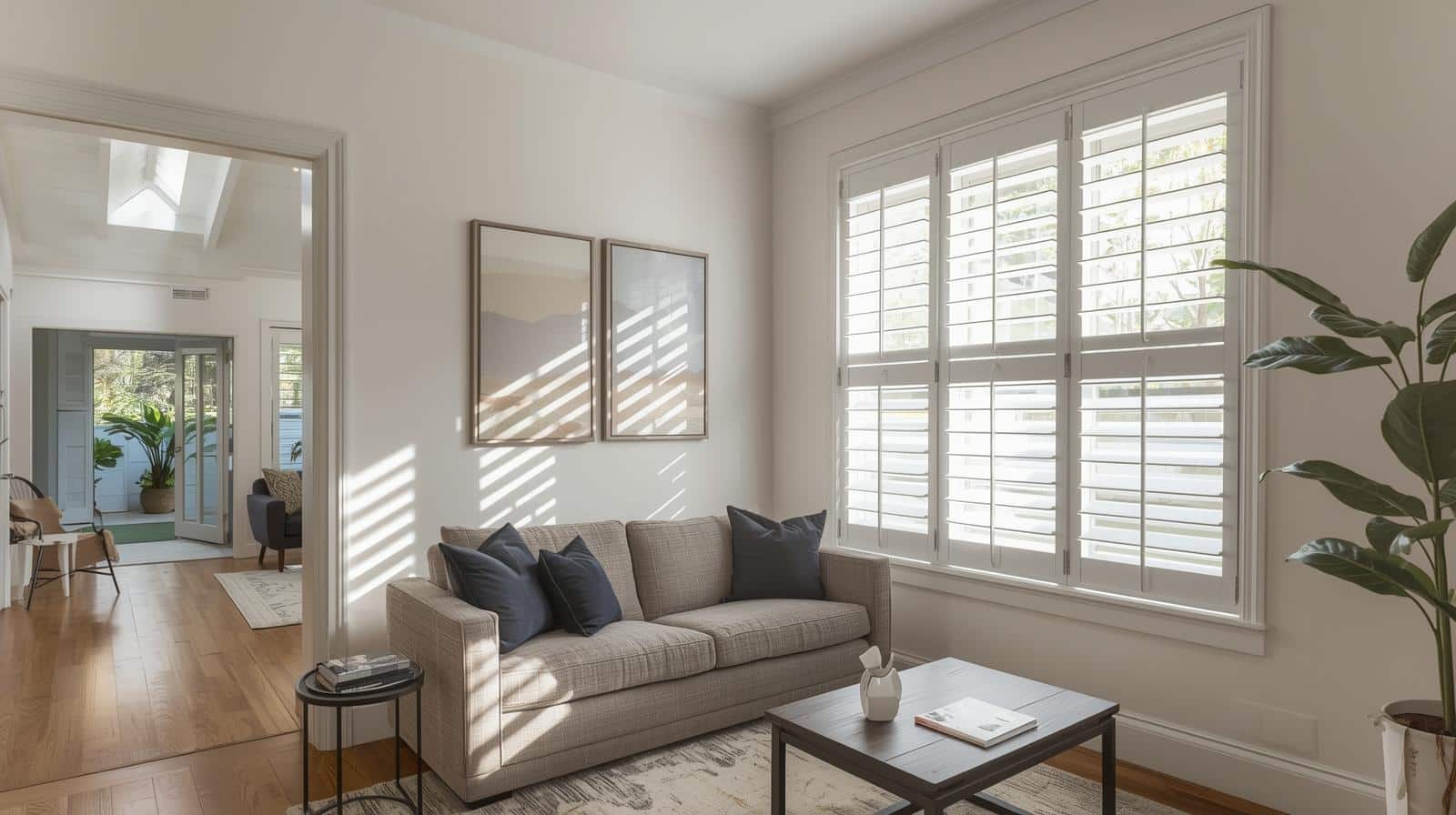
The ability to adjust louvre angles throughout the day maximizes natural climate control. Morning sun can be welcomed during winter while blocked during summer. Afternoon heat gets excluded while maintaining natural ventilation. This dynamic control surpasses fixed window coverings. You optimize comfort and minimize mechanical heating and cooling use.
Over a year, these adjustments deliver noticeable reductions in energy consumption. This proves particularly valuable in Brisbane’s extended summer season. Material choice influences insulation performance. Timber provides natural insulating properties superior to aluminium. Quality PVC delivers comparable performance. Thicker materials and well-sealed construction maximize thermal benefits.
For homeowners prioritizing energy efficiency, combining quality shutters with modern low-E glass creates a high-performance window system. This delivers comfort and economy year-round. The investment pays for itself through reduced energy costs. Improved comfort adds value that extends beyond simple dollar savings.
Your Next Step: Expert Guidance for Brisbane and Ipswich Homes
Selecting the right shutter Australia solution for your Queensland home involves balancing climate requirements, material performance, compliance needs, and personal preferences. The investment deserves careful consideration and expert guidance. Professionals who understand local conditions and quality products deliver lasting performance.
FREQUENTLY ASKED QUESTIONS
What standards do shutters need to meet in Australia?
Shutters must comply with the Building Code of Australia and relevant Australian Standards. Properties in bushfire-prone areas require AS 3959 compliance with specific BAL (Bushfire Attack Level) ratings. Coastal homes in cyclone regions need shutters meeting AS 1170.2 wind load requirements. Quality shutters also provide energy efficiency benefits that reduce heating and cooling costs.
Which shutter material works best in Brisbane’s climate?
Brisbane’s subtropical climate favors moisture-resistant materials. PVC shutters excel in high humidity, resisting mould and UV degradation with minimal maintenance. Premium timber shutters work well when properly sealed and maintained. Aluminium suits external applications requiring maximum durability. Your specific location and room application influence the ideal choice.
How long do quality shutters last in Australia?
Premium timber shutters properly maintained last 20-25 years. Quality PVC shutters deliver 15-20 years with minimal maintenance. Marine-grade aluminium shutters can exceed 25 years in coastal environments. Inferior materials fail within 5-7 years. Regular cleaning and occasional hardware maintenance extend service life across all types.
Do shutters reduce energy costs in Queensland?
Yes. Quality shutters create an insulating layer at windows, reducing heat gain during Brisbane’s extended summer. This lowers air conditioning use significantly. Adjustable louvre angles optimize natural light and ventilation while blocking direct sun. Homeowners typically notice reduced cooling costs, with benefits varying based on window size, orientation, and material.
Are custom shutters worth the investment?
Custom-made shutters deliver superior fit, performance, and longevity compared to ready-made options. Precise measurement ensures proper operation, effective sealing, and professional appearance. Custom shutters accommodate unique architectural features and compliance requirements for bushfire or cyclone zones. The investment difference is modest compared to the performance gap.