

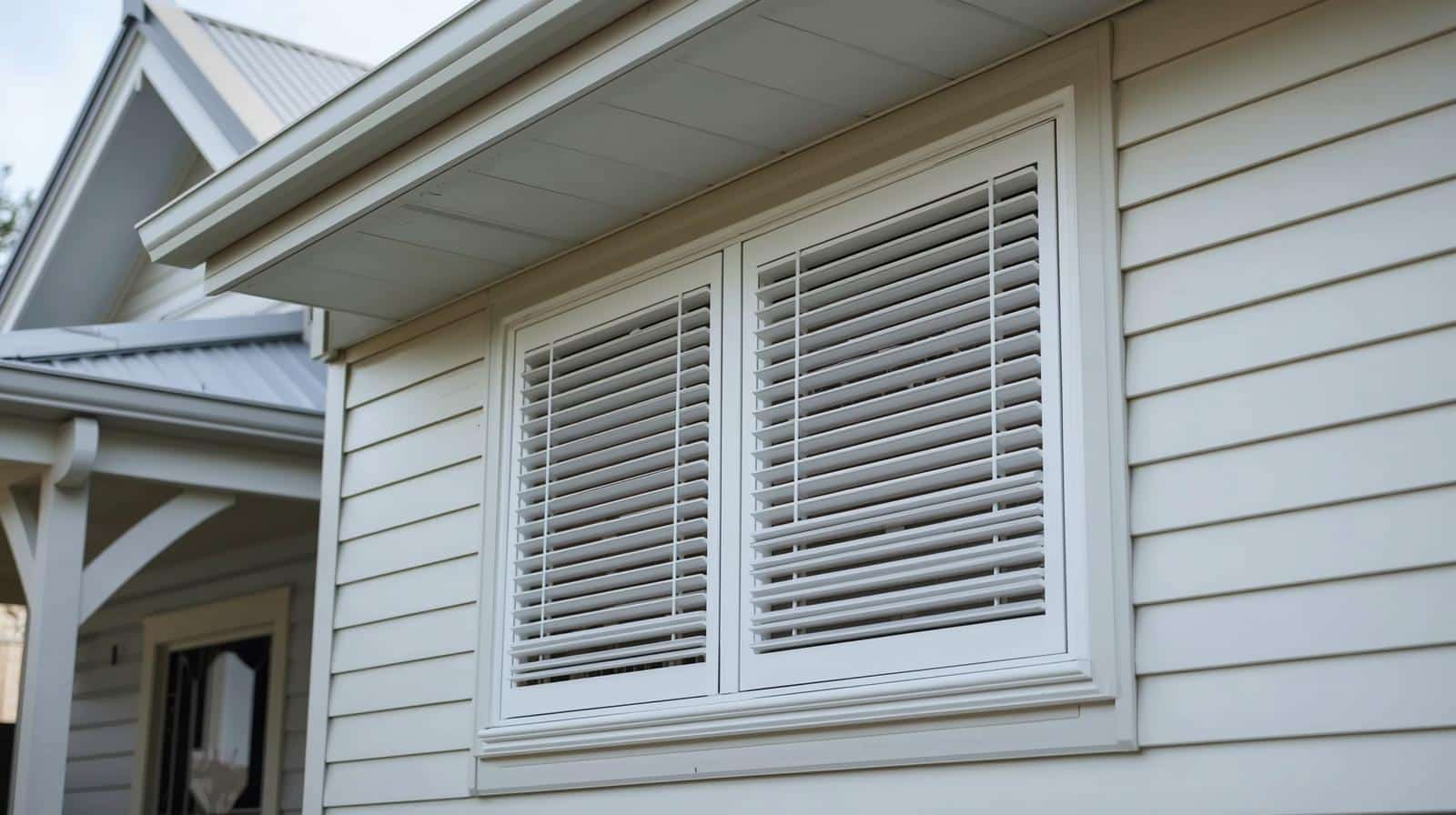
30 Oct Outdoor Shutters Brisbane: Beat Heat, Glare and Summer Storms
Outdoor shutters Brisbane homeowners install solve three specific problems through the year: morning and midday glare, afternoon heat load, and sudden summer storms. Each problem needs a slightly different approach to blade angle and timing.
Outdoor shutters give you control over three recurring Brisbane problems: glare that makes screens and pools hard to enjoy, heat that builds up through the afternoon, and storms that arrive with little warning. A single adjustable panel handles all three — you just need to know how to use it at each point in the day and the season.
The Three Problems Outdoor Shutters Actually Solve
Most homeowners buy outdoor shutters for one reason and discover the other two later. Glare, heat, and storms hit at different times, so the panel needs a different setting for each. Understanding this upfront helps you get the configuration right from day one, rather than adjusting your expectations after installation.
Morning and Midday: Cutting Glare Without Losing Light
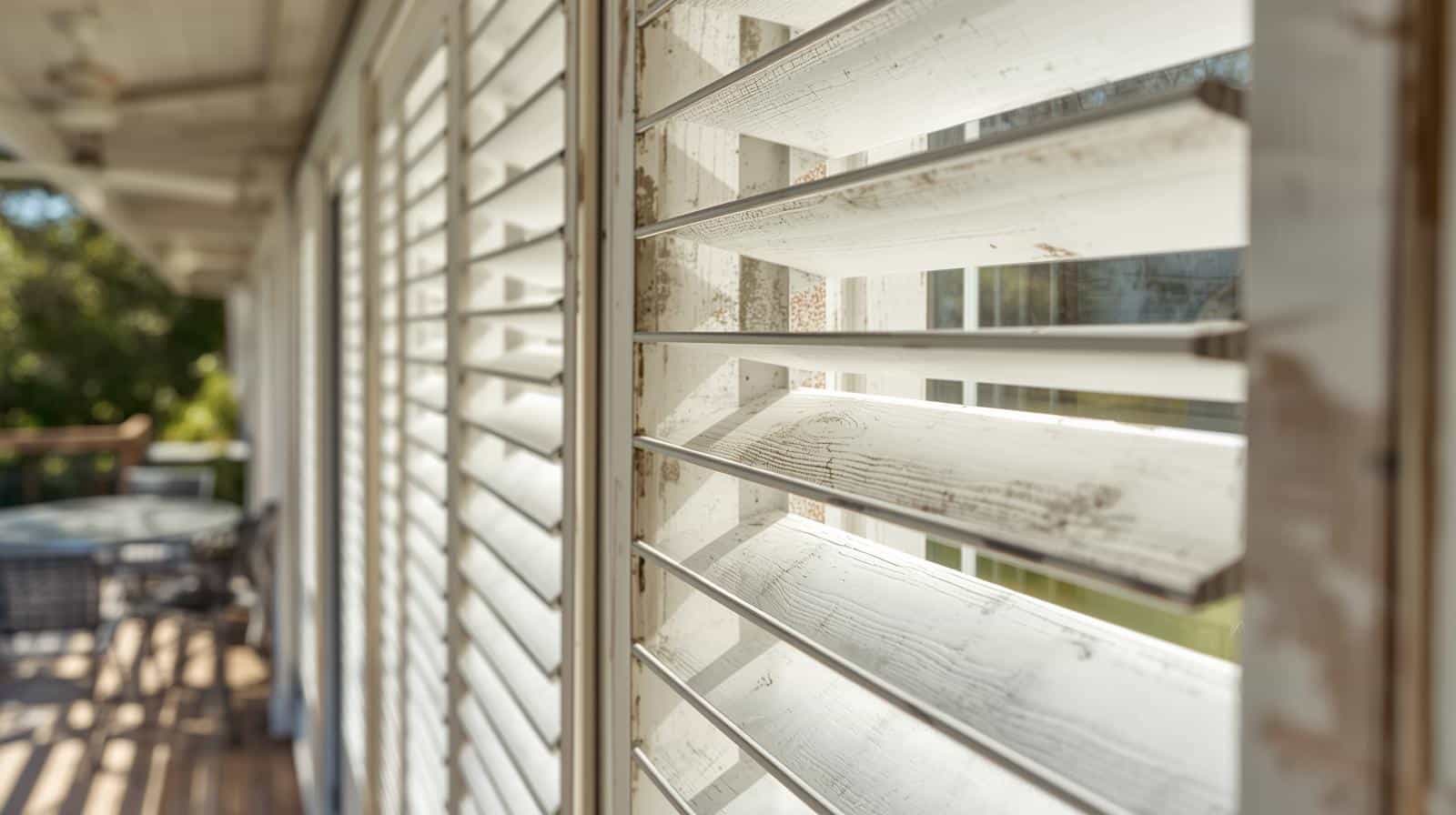
Early morning sun sits low on the horizon and throws hard, direct glare across east-facing patios, pools, and outdoor TV areas. A shallow blade angle diffuses this glare while still letting plenty of light through, so you’re not sitting in the dark to get relief from the brightness.
Poolside areas benefit from this the most. Direct glare off the water surface is worse than glare on solid ground, because the water reflects it back up as well. Angling the blades to around 30–45 degrees cuts the reflected glare significantly while keeping the pool area bright enough to supervise swimmers comfortably. If you’re weighing shutters against a fully enclosed entertaining setup, our guide to creating an all-weather entertaining space covers that broader decision in more depth.
Beating the Afternoon Heat Load
Brisbane’s afternoon heat builds fastest on west-facing patios and alfresco areas, where direct sun hits hardest between roughly 2pm and 5pm. A steeper blade angle intercepts more of that heat before it reaches your outdoor furniture, flooring, and the people sitting in the space.
Closing the panel most of the way during peak heat hours drops the surface temperature of an exposed patio noticeably compared to leaving it fully open. This matters most for outdoor kitchens and alfresco dining areas, where you want the space usable for evening entertaining rather than radiating stored heat well after sunset. Our durability guide covers why aluminium performs better than timber or PVC under this kind of repeated heat exposure.
Storm Season: Before, During and After
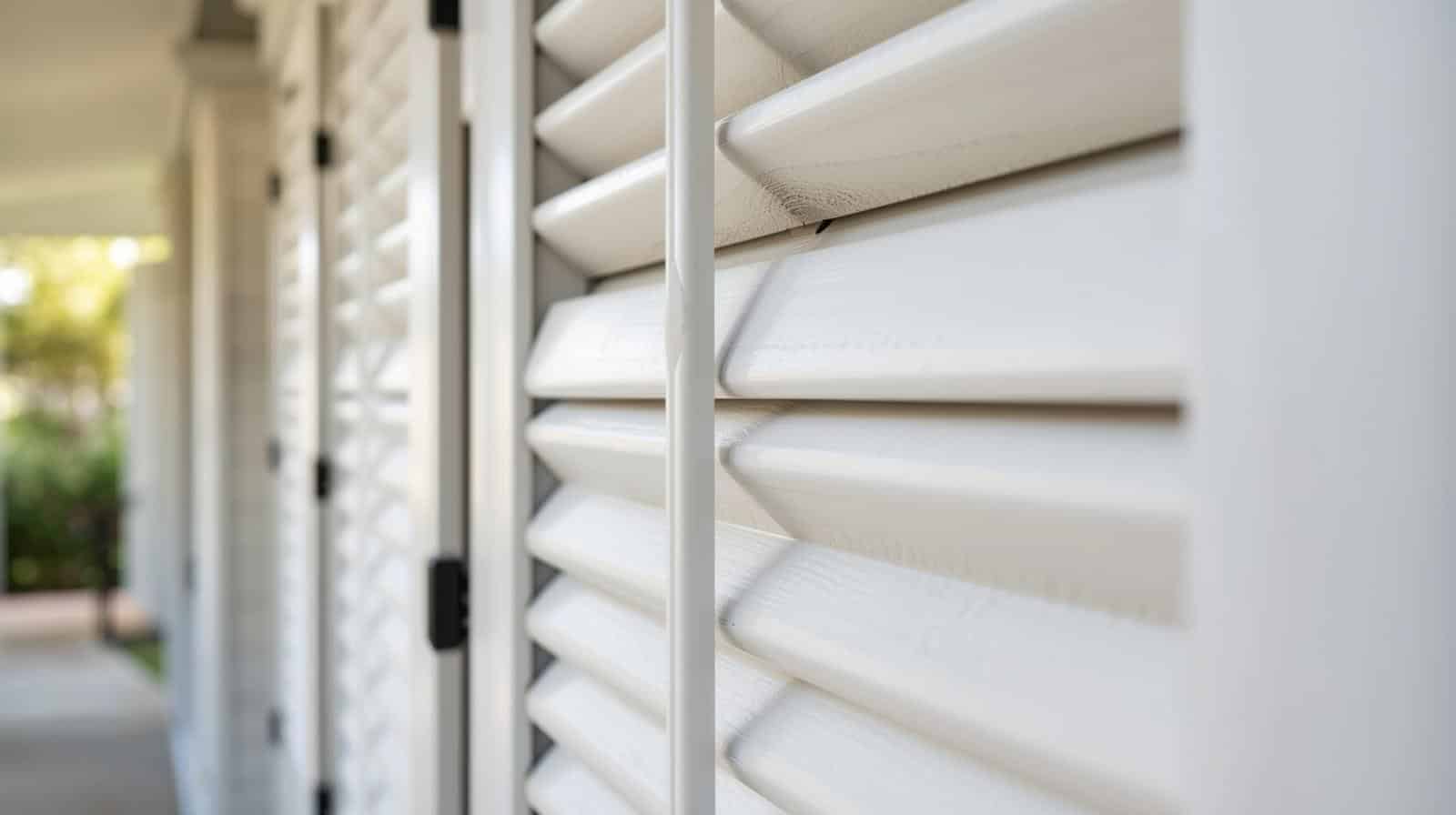
Brisbane’s storm season typically runs from roughly November through March, with the Bureau of Meteorology consistently flagging sudden, short-notice storm cells as the main risk during these months rather than sustained bad weather. This unpredictability is exactly why a shutter you can close quickly matters more than one you have to plan around.
Before a Storm
Check the forecast each afternoon during storm season and close panels fully if a storm cell is likely. Move loose outdoor furniture behind the closed shutter line where possible, since a closed panel also acts as a wind break for anything stored directly behind it.
During a Storm
Keep the panel closed and locked until the worst of the wind and rain passes. A properly fixed panel is designed to handle this — reopening partway through a storm to “check” it usually does more harm than leaving it alone.
After a Storm
Once the storm passes, open the panel and check for any debris caught in the tracks or hinges before operating it normally again. For homes in coastal or bayside suburbs, our coastal shutters guide covers the extra salt-air maintenance step worth adding after storm season.
Ready to Beat Heat, Glare and Storms Year-Round?
The right blade angle changes throughout the day and the season, and getting the panel size and fixing right for your specific patio or balcony makes all the difference. Book a free in-home measure and quote, and our team will recommend a configuration suited to your home’s orientation and exposure. Call 1300 883 637 to get started.
FREQUENTLY ASKED QUESTIONS
Do outdoor shutters actually reduce heat on a patio?
Yes, closing the panel during peak afternoon sun intercepts heat before it reaches your outdoor furniture and flooring, noticeably lowering the surface temperature compared to an unshaded area.
Can outdoor shutters stop glare around a pool?
Yes, angling the blades to around 30–45 degrees cuts reflected glare off the water while still keeping the area bright enough to supervise swimmers.
Should I close outdoor shutters before a storm?
Yes, close and lock panels fully once a storm cell looks likely, and leave them closed until the worst of the wind and rain passes.
When is Brisbane's storm season?
Storm season typically runs from roughly November through March, with short-notice storm cells as the main risk rather than sustained bad weather.
What should I check after a storm?
Check the tracks and hinges for any debris before operating the panel normally again, and give coastal-area shutters an extra rinse to clear salt residue.